




Agriculture Secretary, Gabriel Delgado, met with officials of the General Administration of Quality Supervision, Inspection and Quarantine of China, to achieve the export of new products, including blueberry.
Agriculture Secretary, Gabriel Delgado, met with officials of the General Administration of Quality Supervision, Inspection and Quarantine (AQSIQ), with whom he discussed bilateral agenda SPS to achieve the export of new products.
The delegation of Argentina seeks to promote investments in irrigation in the country and develop the export business of horses, among other topics. While Argentina is one of the leading suppliers of Chinese food, thanks to exports of beans and soybean oil, the Ministry of Agriculture and SENASA making great efforts to diversify exports to this market offer.
The meeting with officials Aqsiq, headed by the director general of the agency, LI Jianwai, occurred in the context of Delgado’s visit to China, which serves as the school that made the minister, Carlos Casamiquela in November.
Agriculture Secretary agreed that the signing of the Protocol Phytosanitary Export Sorghum, whose technical trading has already been completed, will be sealed during the upcoming visit by Casamiquela. Argentina and aspires to become a major supplier of a country that went to import 86,582 tons of cement in 2012 to 1,080,000 tonnes in 2013, and in the first seven months of this year already has imported 2.4 million tonnes worth $ 688 million.
Delgado also made progress in negotiations regarding the fruit industry, a market that opens great possibilities and is an axis of portfolio management. It was confirmed that between 3 and 7 November next Aqsiq inspectors visit production areas of pears and apples to verify the implementation of the measures agreed at the Phytosanitary Protocol, signed during the recent visit of Chinese President Xi Jinping, in July past. Thus, after fifteen years of negotiations, will be operating the said agreement and the possibility of achieving the first shipments of these fruits in 2015.
China health inspection in the country to complete the risk analysis for table grapes, to be held in the first fortnight of January, hoping to sign the protocol of access in the first half of next year was also agreed.
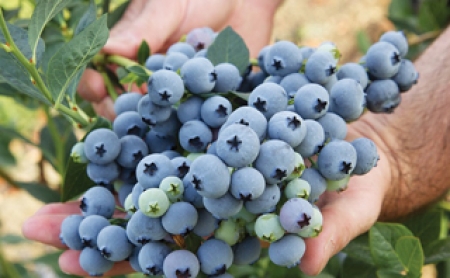
The official also strongly encouraged the baseline of Argentine submissions to export blueberries and cherries. The director, LI Jianwei, agreed to make every effort on his part to meet Argentina’s request.
The market for imported fruits in China is growing at high rates, largely due to the improvement of living standards and purchasing power of the population; and Argentina has great potential to become an exporter to that market as a producer in the counter. For instance, in 2013 China imported table grapes worth 514 million US dollars, cherries worth $ 296 million and apples for $ 67 million.
Chinese authorities also promised to speed up the analysis of inspection to avoid delaying access peas, and reported that it will soon start exporting confectionary sunflower, after several years of negotiation.